Session time

How brain circuits drive action, and addiction

Behind this text: 367 neurons recorded simultaneously, playing in real time from a 97-minute Neuropixels session in our lab. Each mark is one spike; rows are sorted by depth in the brain and colored by region.

Neurons
367
Spikes on screen
0
Mean firing rate
0
Lever presses on screen
0
One mouse, one session, Lever presses per minute Population firing Reward cue
Go to Show

What we study

We study how latent neural dynamics give rise to adaptive and maladaptive behavior. We use data-driven tools to connect cells, circuits and whole-animal behavior in rodents, with a focus on how dopamine, endocannabinoids and oxytocin support motivation and learning, with a particular interest in substance use disorders.

Our research projects

5,833 neurons from 10 mice and 27 sessions, placed in the Allen mouse brain atlas. Drag to rotate; click a region to hide it.

    Neuropixels

    Q1Why do some brains walk away from drugs?

    Not everyone who uses drugs loses control over their use. We record hundreds of striatal and cortical neurons at once with Neuropixels while mice self-administer drugs, look for the activity that marks a move away from seeking, and test it with closed-loop optogenetics.
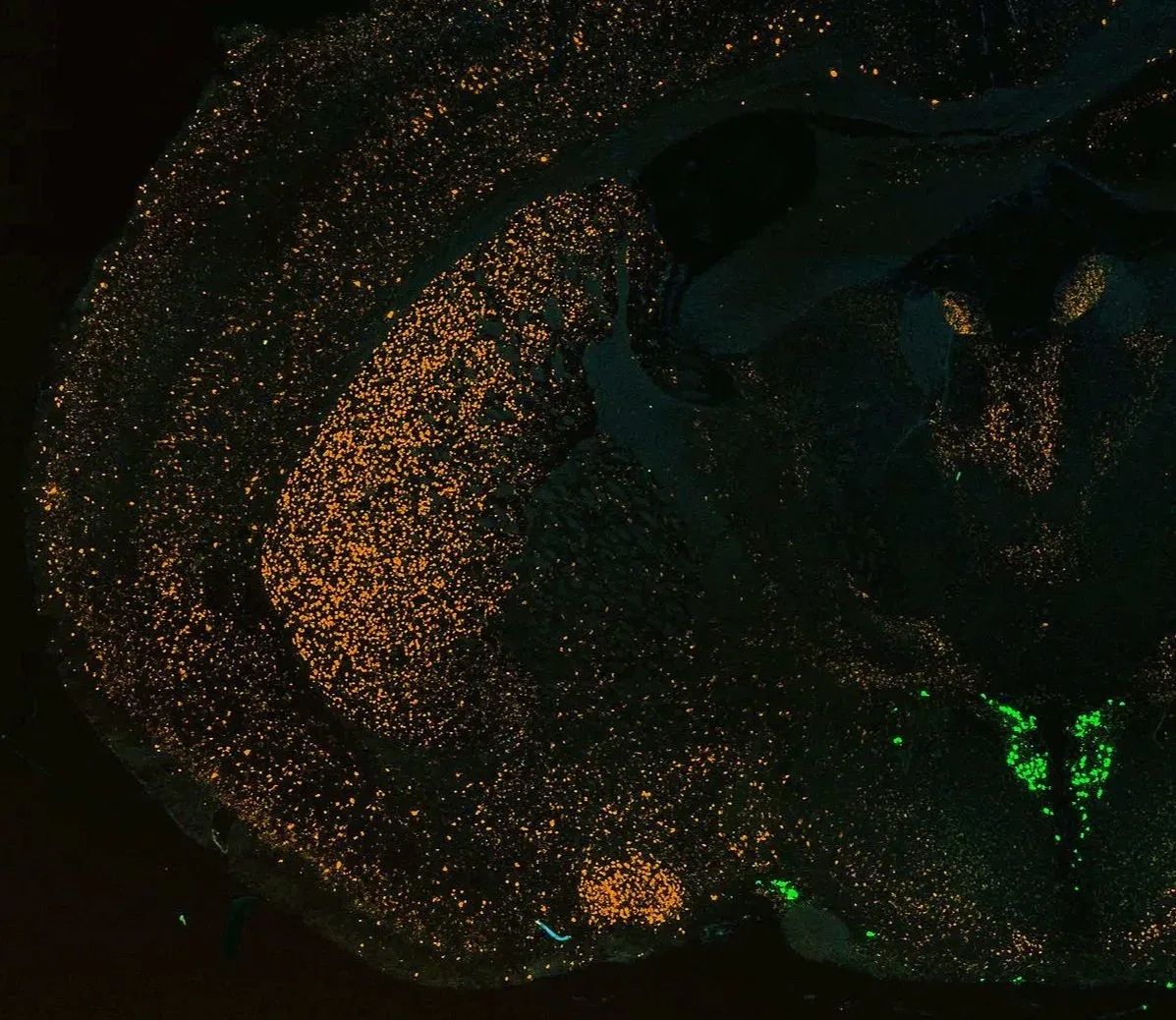
    Fluorescence micrograph of a brain section from the maternal-brain project
    Development

    Q2Does the pregnant brain process rewards differently?

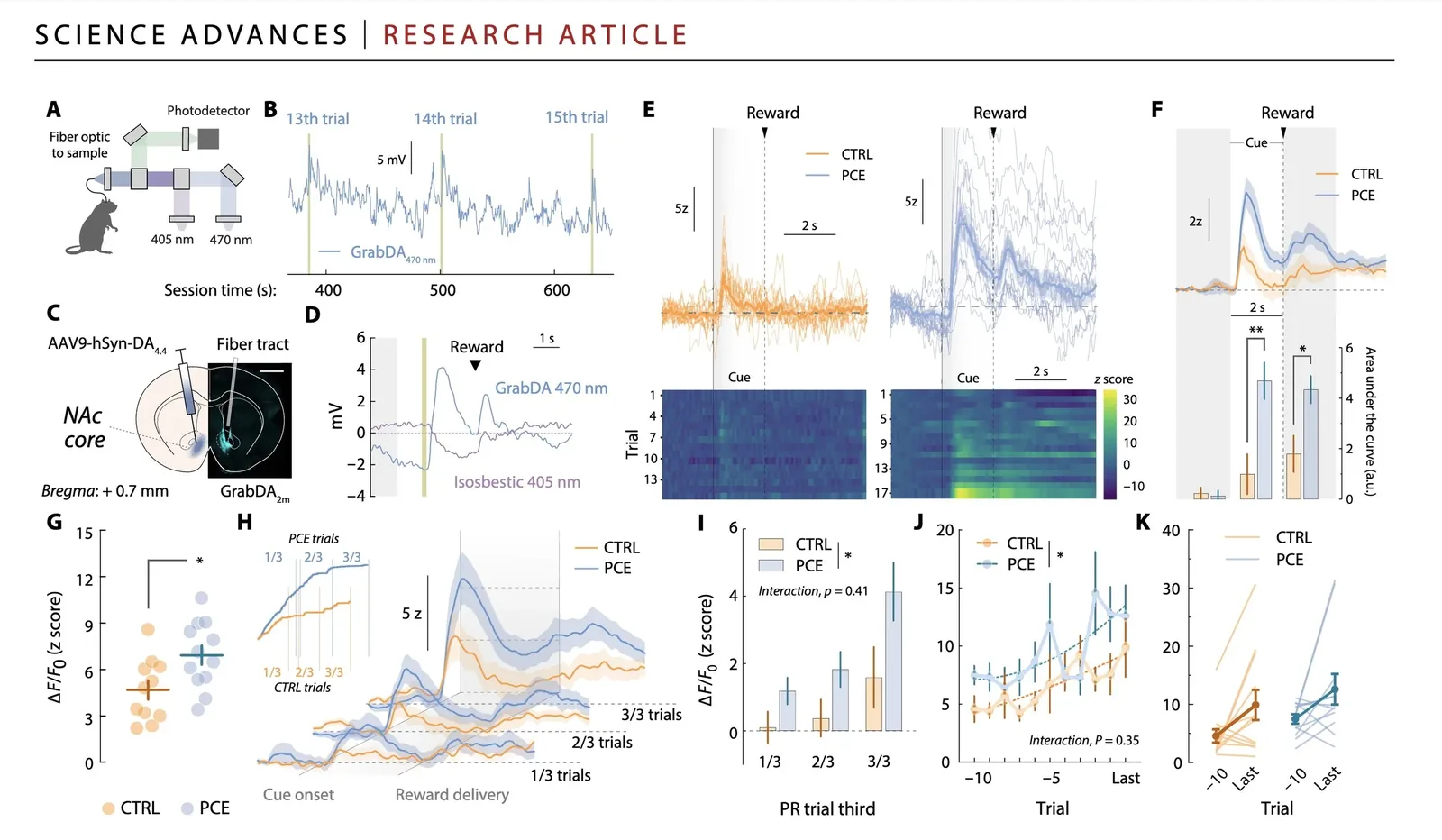
    Pregnancy reshapes the brain about as much as adolescence does, yet we know little about what drugs taken during it do to the mother. We follow her oxytocin and dopamine signaling after birth with in vivo imaging, electrophysiology and behavioral economics.

    Photometry

    Q3How do endocannabinoids decide which cues get our attention?

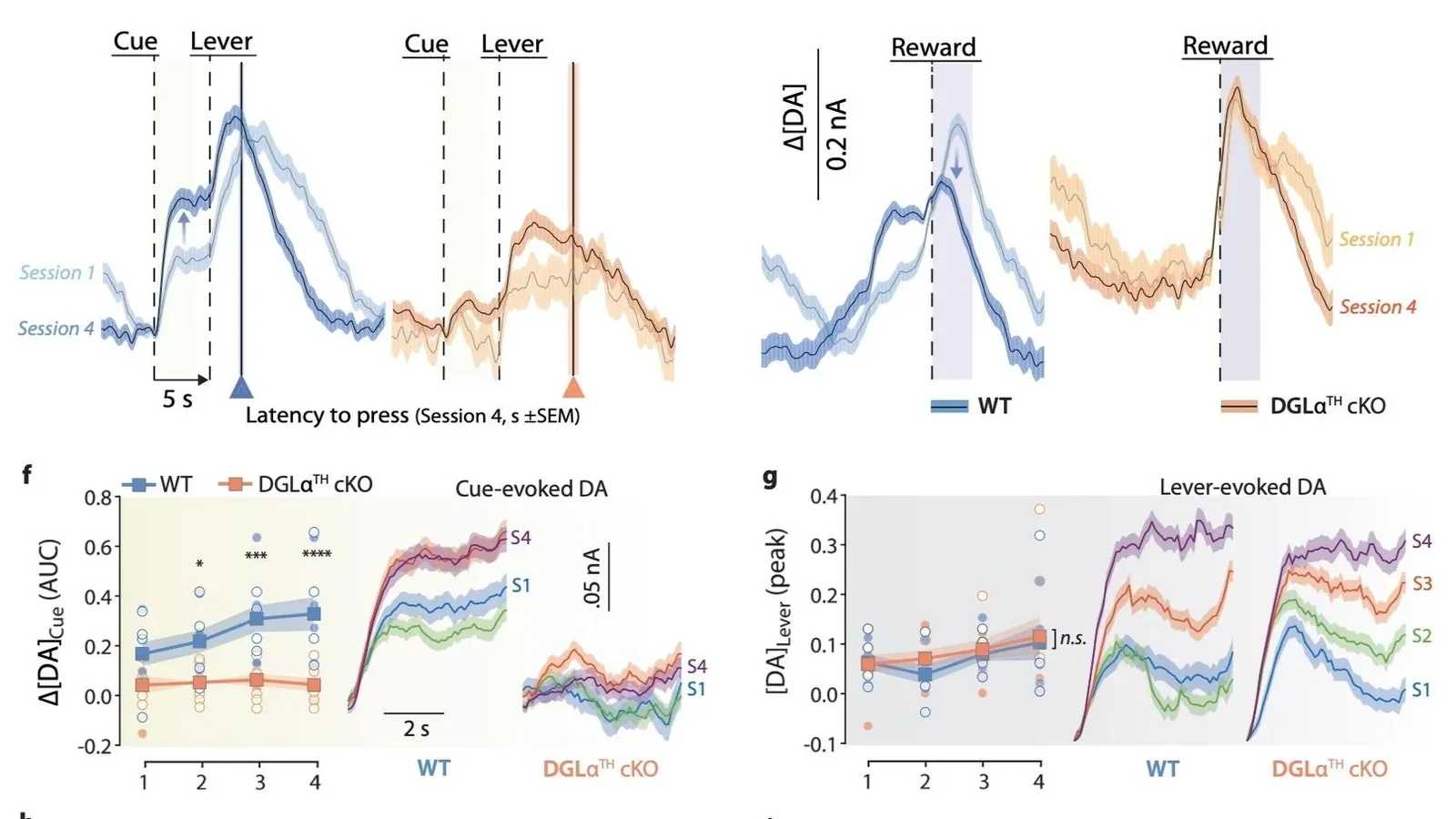
    Dopamine has long been credited with tagging the cues that matter, but endocannabinoids in the prefrontal cortex also steer attention toward cues that predict reward or punishment. We take apart the molecular machinery behind this lipid signal and record how it changes the way cortical neurons respond to those cues.

    Selected papers

    All publications
    • Caitlin Madden publishes her postbaccalaureate work from the NIH in Neuron: An inherited hypomorphic variant in PIEZO2 reveals structural features of mechanotransduction. Congratulations, Caitlin!

    • Grace Phillips joins the lab as a graduate student. Welcome, Grace!

    • Miguel presents some of the lab's data at the FENS Forum. Thanks to Drs. Melis and García-Baos for the invitation.

    • The lab hosts Dr. Nicolas Massaly (UCLA) as guest speaker in the Anatomy and Cell Biology Seminar Series.

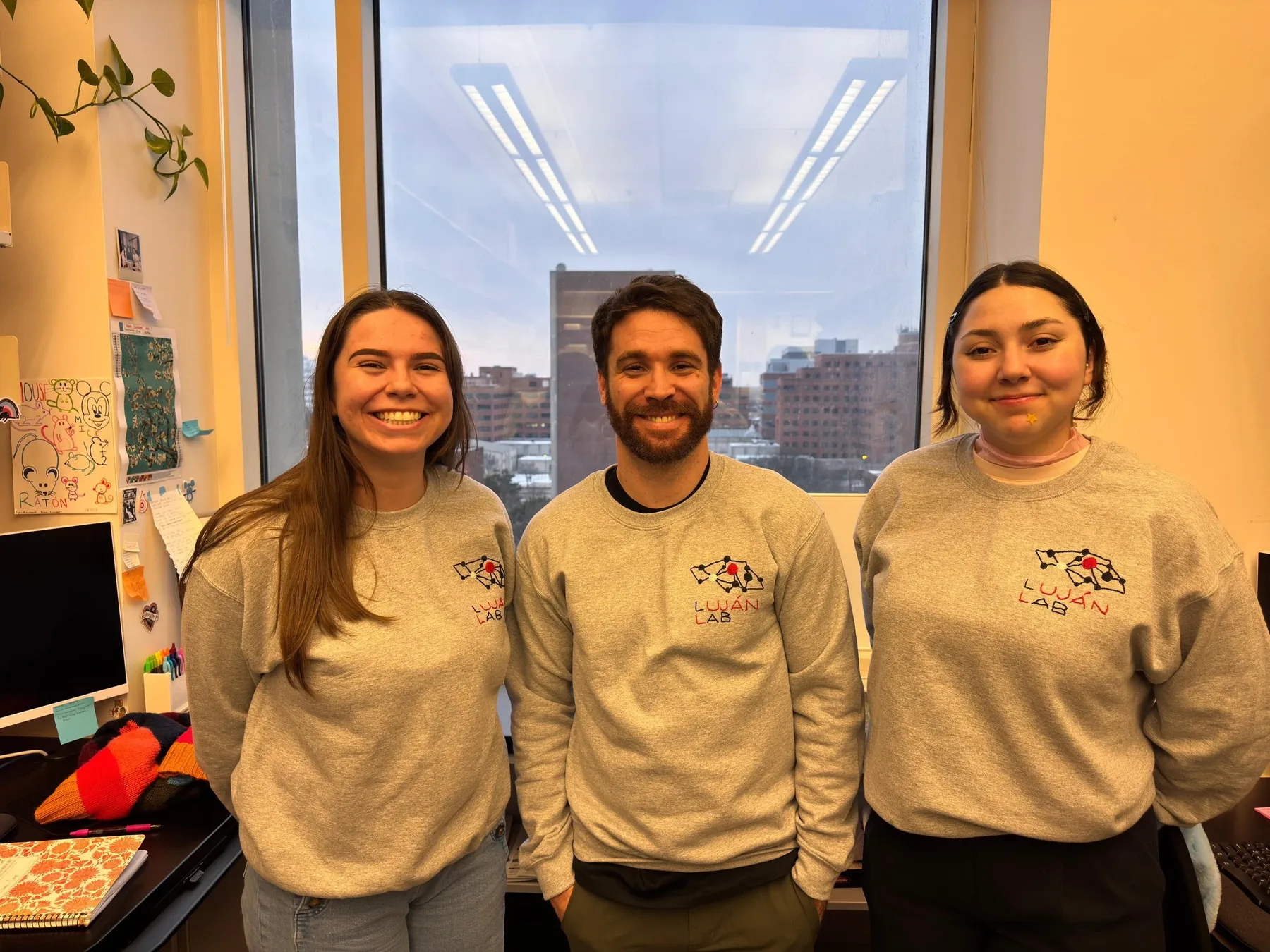
    Three lab members in matching lab sweatshirts

    Work with us

    We're not hiring right now, but we're always glad to meet talented, motivated people who care about the same questions we do. If that's you, write to us. We're happy to talk about rotations and future openings.

    Email